
By Dr. Tommy Zakrzewski
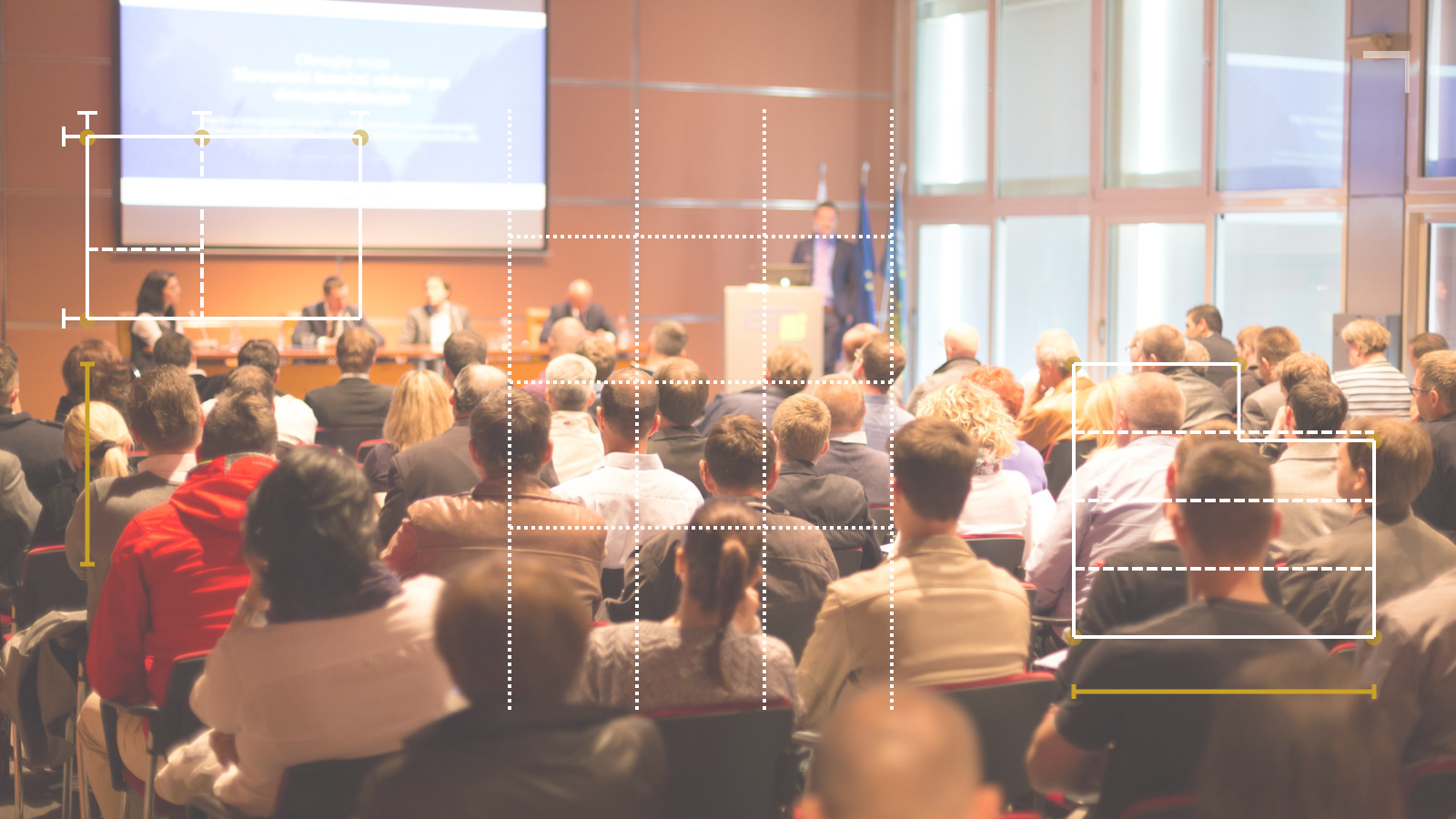
Public interest in data center developments is at an all time high. Concerns about energy use, water consumption, noise, traffic, and environmental impact have moved from industry conversations into public meetings and local government discussions.
The most practical and accessible tools for addressing community feedback available today are high‑performance building frameworks such as LEED, BREEAM, Green Globes, and similar certification systems. While each framework takes a slightly different approach, they all provide a structured path for improving building performance and demonstrating accountability across key areas such as energy, water, site selection, indoor environmental quality, and carbon reduction.
Building Trust Through Measurable Outcomes
Community engagement is ultimately about trust. Residents want to know that new developments will be good neighbors and that the people designing, constructing, and operating these facilities are considering their concerns from the beginning.
Sustainability frameworks can play an important role; these programs establish measurable goals and third‑party verification processes that influence design and operational decisions and demonstrate performance over time. For community members, they can provide greater confidence that projects are being designed with their well-being and environmental outcomes in mind. For owners and developers, frameworks create a clear roadmap for delivering higher‑performing buildings while aligning with their existing sustainability commitments.
A Practical Path for Local Jurisdictions
Data centers have become a focal point in many communities because of their rapid growth and visibility, but environmental and social challenges are not unique to data centers. Every building consumes resources, affects infrastructure, and impacts our cities, towns, and neighbors.
Many elected officials and community leaders are looking for practical ways to ensure new developments meet higher performance expectations without creating entirely new regulatory frameworks. High‑performance building certification programs offer solutions because they already exist, are widely understood within the building industries, and can be incorporated into local policies and ordinances, and even building codes.They provide local governments with an implementation and accountability pathway that does not require reinventing the process from scratch.
Beyond Compliance
Building codes establish a baseline. Sustainability frameworks encourage teams to push buildings further. How can a facility reduce energy demand? How can water be used more efficiently? How can operational carbon be lowered over the life of the building? How can the development contribute positively to the surrounding community?
The good news is that many of the solutions already exist. High‑performance design strategies, energy modeling tools, and advanced sustainable building systems are all at the ready for implementation. The challenge is less about inventing new solutions and more about creating alignment among developers, owners, designers, jurisdictions, and community stakeholders to pursue them and hold one another accountable to leveraging them.
For hyperscale data centers, alignment is particularly important because of the scale of the facilities and their potential impact. Demonstrating leadership by committing to sustainability outcomes can help shift the conversation from perceived impacts to verified performance, while creating greater transparency and trust among project teams, developers, building owners, and communities.
Creating Better Buildings
High‑performance building frameworks are not the only solution for more sustainable, community-oriented data center development, but they are one of the most accessible and immediately available pathways we have today. By combining community engagement with measurable performance standards, developers and project teams can be more responsive to the public.
At ZAE, we are committed to illuminating the possibilities of high-performance design, helping owners, architects, and design teams navigate sustainability frameworks through energy modeling, strategy, certification support, and building performance analysis. When performance goals are established early and measured consistently, projects are designed better and more capable of delivering meaningful outcomes for communities.
Ready to talk about how we can support your project through high-performance design and help you deliver on sustainability promises? Reach out today.